

Published On: April 2, 2026
Updated On: April 6, 2026
Best Practices for Managing Multi-State License Tracking at Scale

As insurance organizations expand across state lines, managing licensing requirements becomes increasingly complex. Each state introduces its own rules for renewals, appointments, and continuing education, creating a fragmented compliance landscape. Without a structured approach, organizations risk missed deadlines, inactive licenses, and revenue disruption. Implementing best practices for centralized tracking, proactive monitoring, and workflow standardization allows licensing teams to stay ahead of requirements and scale efficiently. A strong process not only reduces risk but also improves operational visibility and team productivity.
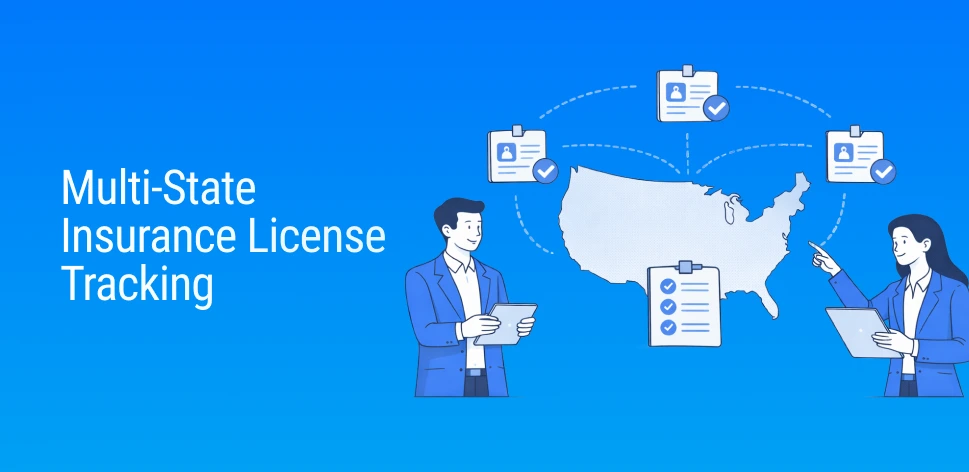
Centralize License Visibility
One of the most important steps in managing multi-state licensing at scale is creating a single source of truth. Tracking licenses across spreadsheets, emails, and disconnected systems increases the likelihood of errors and missed deadlines.
A centralized system allows teams to view license status, expiration dates, and appointment activity across all states in one place. This visibility ensures that nothing falls through the cracks and enables quicker decision-making when issues arise.
Standardized Processes Across States
While each state has unique requirements, your internal processes should be consistent. Establishing standardized workflows for renewals, new license applications, and appointment tracking helps eliminate confusion and reduce training time for new team members.
Documenting procedures and creating repeatable steps ensures that tasks are handled consistently, regardless of the state or complexity of the requirement.
Pro Tip: Consistency is your biggest advantage. Standardized internal workflows make it easier to scale, train new team members, and reduce errors across multiple jurisdictions.
Proactively Monitor Renewals and CE
Waiting until the last minute to address renewals or continuing education requirements can create unnecessary risk. A proactive approach ensures that all requirements are met well in advance of expiration deadlines.
Best practice is to begin monitoring renewal eligibility early and ensure continuing education is completed ahead of time. This reduces the chance of delays, rejected renewals, or temporary lapses in licensure that could impact business operations.
Leverage Automation and Alerts
Manual tracking becomes unsustainable as the number of licenses grows. Automation plays a critical role in scaling license management effectively.
Automated reminders, alerts, and workflows can notify teams of upcoming expirations, missing requirements, or appointment issues. This reduces reliance on manual follow-ups and allows teams to focus on higher-value tasks instead of administrative tracking.
Summary
Managing multi-state license tracking at scale requires more than just keeping a list of expiration dates. It demands a structured, proactive approach that combines centralized visibility, standardized processes, and automation.
By implementing these best practices, organizations can reduce compliance risk, improve efficiency, and confidently support growth across multiple states. A well-managed licensing strategy not only protects the business but also empowers teams to operate more effectively in an increasingly complex regulatory environment.
Laura Crowell is a seasoned insurance professional with over 25 years of experience specializing in agency contracting, licensing, and appointment management. As Insurance Licensing Administrator at Agenzee, Laura brings her hands-on industry experience to the development of technology that helps insurance organizations and professionals manage licensing, contracting, appointments, compliance, and related operational processes more efficiently.
With a background in education, a P&C license, and a CPSR designation, Laura understands the importance of clear communication, effective training, and organized, reliable information. She works closely with customers and internal teams to identify opportunities to improve processes, strengthen the user experience, and make insurance technology more practical for the people who use it every day.
Laura is passionate about helping simplify the administrative complexity of insurance operations and supporting technology that brings information, processes, and people together. Her goal is to help insurance professionals spend less time managing administrative processes and more time focused on the work that matters.
Disclaimer: This post is for informational purposes only and does not constitute legal or compliance advice. Agenzee does not warrant the accuracy of and assumes no liability for reliance. Please consult regulators or professional advisors as needed. See our full disclaimer for details.
Subscribe
Stay Ahead with Agenzee Insights
Join our community to stay up-to-date on the latest news and strategies for license and appointment management
INDUSTRY INSIGHTS FOR INSURANCE AGENCIES, CARRIERS, AND MGAS
Similar Blogs
Read our blog to discover the latest industry insights and trends in license and appointment management.

let's catch up!
Schedule a Live 1-On-1
Demo of Agenzee!
Our insurtech experts would be thrilled to give you a personalized demo of how Agenzee can transform your compliance management processes.
Customers Opinions on Our Services and Products
What Our Customers Say
Find out why our customers are happy they chose Agenzee.