

Published On: September 25, 2026
Updated On: September 29, 2026
7 Licensing and Compliance Questions to Ask Before ITC Vegas 2026

If you own an insurance agency, carrier, or MGA; licensing and compliance data can have a direct impact on revenue and operational risk. The challenge is knowing whether your current processes are giving you the visibility you need before a problem exposes a gap. ITC Vegas 2026 (September 29 through October 1, Mandalay Bay) provides a timely opportunity to take a closer look. Here are seven questions worth asking your team before you go, along with what the answers can tell you about your licensing and compliance processes.
Most agency, carrier, and MGA leaders don’t spend their days thinking about licensing paperwork. You lose sleep over the E&O claim you didn’t see coming, the market conduct exam that catches your team flat-footed, or the business opportunity delayed because a producer wasn’t licensed or appointed in time. Licensing and compliance data is rarely the headline story. It is often sitting underneath the operational issues that follow.
ITC Vegas 2026 is built around predicting and preparing for what’s next in insurance. Before you spend three days talking about AI, distribution, and where the industry is headed, it’s worth spending twenty minutes finding out where your own compliance data stands. Not because a trade show requires it, but because the growth, you’re planning, new carriers, new states, and new technology can quickly expose gaps in your licensing and compliance processes.
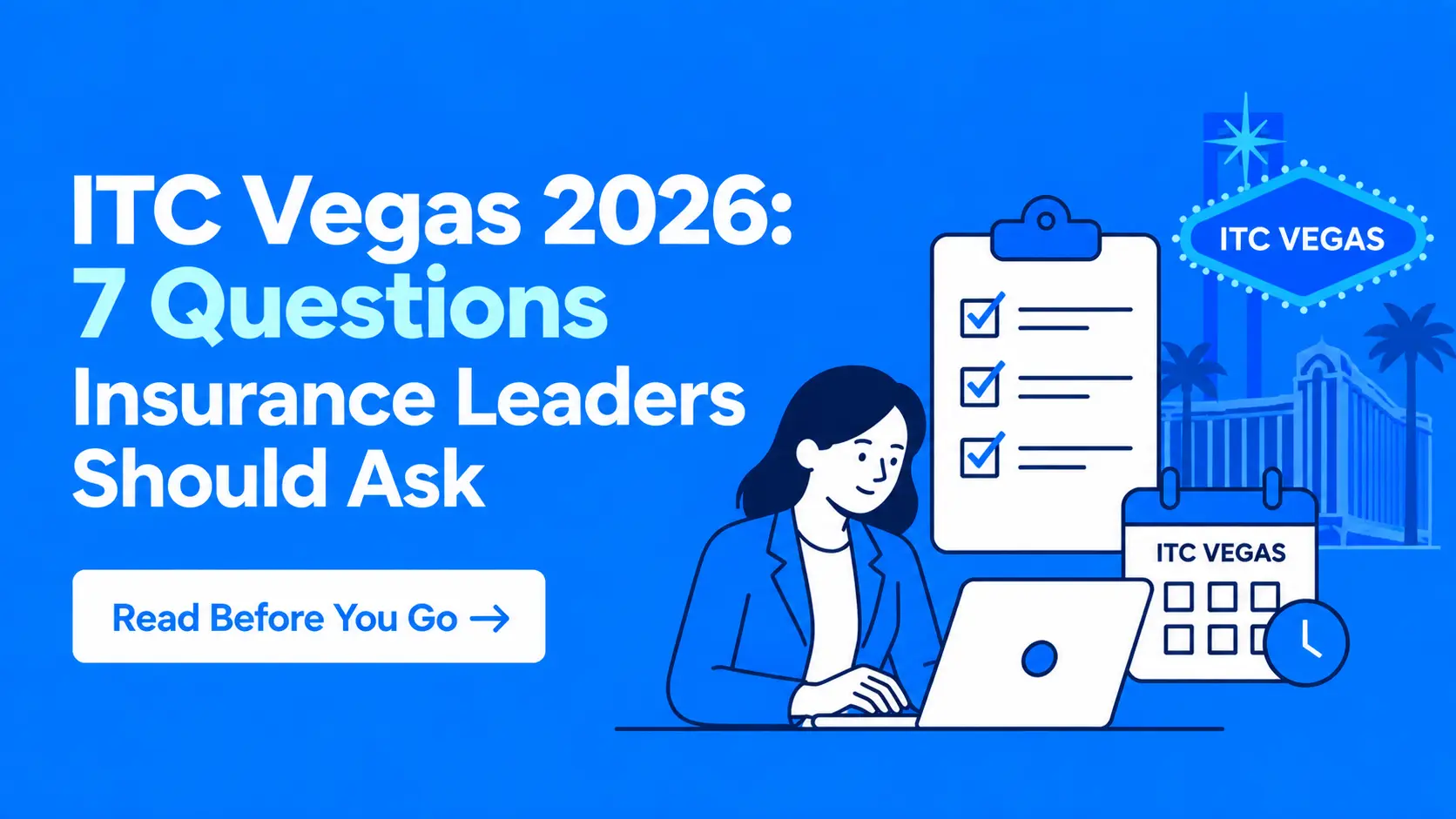
Here are seven questions worth asking your team before you go.
1. Do you know which producers are licensed to write what they’re binding?
A license count tells you how many licenses exist. It doesn’t tell you which licenses are approaching expiration, have lapsed, or may be affected by changes to the producer’s resident license or licensing information. That gap can create compliance and E&O risk that may not become apparent until a claim, audit, or regulatory review brings the issue to light.
Worth checking before you go:
- Licenses approaching expiration
- Changes to a producer’s resident license or licensing information that may affect nonresident licenses in other states.
- Producers whose appointment status does not align with their current licensing status.
2. If a producer says they’ve completed their CE hours, can you prove it?
CE records can fall out of sync: course completion may not be reported promptly, hours may be entered late, or provider approval status may change. An internal CE tracker may show a producer as compliant while the applicable state record shows something different. That discrepancy may not be discovered until a renewal or compliance review.
3. How current is your NIPR and PDB information, really?
Producer Database (PDB) information can affect licensing, appointment, and onboarding workflows; so outdated information can create downstream discrepancies. Changes such as a name change, termination, or disciplinary action may require updates across related records and systems.
4. Are you sure producers writing business have the licensing and appointment status required for that business, and that terminated relationships are reflected across your records?
Appointment lag: can occur when a producer is licensed but a required carrier appointment has not yet been processed. In those situations, the producer may not be authorized to transact the applicable business until the appointment requirements are satisfied.
Unreconciled terminations: an appointment has been terminated, but the termination has not been reflected across the relevant records or systems, leaving outdated appointment information in place.
JIT appointments are carrier appointments processed when a producer needs to transact business rather than well in advance.
5. If you land three new carrier relationships this quarter, can your team onboard producers efficiently enough to support that growth?4
Onboarding bottlenecks don’t always show up immediately. They can appear as a widening gap between hiring a producer and completing the licensing and appointment requirements needed for them to begin transacting business. That delay can postpone revenue opportunities and create additional compliance risk. Worth asking before you plan to go.
6. Do you have one place where every DOI deadline lives, or does that knowledge sit in one person’s head?
Insurance compliance deadlines occur throughout the year and vary depending on the states and lines of business you manage. CE deadlines, license renewals, regulatory filings, and other requirements all require ongoing attention. If that calendar lives in one person’s inbox, the risk isn’t just a missed deadline; it’s what happens to your compliance process when that person is unavailable.
7. If a market conduct exam letter showed up tomorrow, how many days would it take your team to pull everything together?
A market conduct examination may require records such as license status, CE completion, appointment history, and termination documentation. If pulling those records today would take a week across three systems, that is an important indication of how prepared your team is to respond to an examination request.
What This Costs You If You Don't Fix It, and Where Agenzee Fits
Every question above is answerable by hand: spreadsheets, tribal knowledge, and someone on your team cross-checking state portals when they have time. Some agencies, carriers, and MGAs still manage these processes through spreadsheets, internal knowledge, and manual cross-checking of state information. The cost isn’t that it’s impossible. It’s that it’s slow, it’s easy to defer, and the bill (a missed appointment, an examination finding, or a producer who could not transact business when expected) usually comes due at the worst possible moment.
If you own an agency: Agenzee provides a centralized view of producer license status, CE, and appointment information, helping your team identify licensing and compliance issues before renewal deadlines. Rather than relying on a seasonal review, the information is available within the platform throughout the year.
If you own or run compliance for a carrier: Appointment tracking and termination reconciliation are important parts of maintaining accurate producer records. Agenzee centralizes appointment information alongside licensing and NIPR data, helping compliance teams identify discrepancies and keep appointment workflows organized.
If you run an MGA or MGU: Efficient producer onboarding can help new carrier relationships become productive sooner. Agenzee centralizes licensing, appointment, and producer information in one place, helping your team manage onboarding requirements and keep the process moving as your business grows.
Across all three, centralized licensing and compliance data can make it easier to pull the information needed for exam preparation, rather than spending days gathering records from multiple sources.
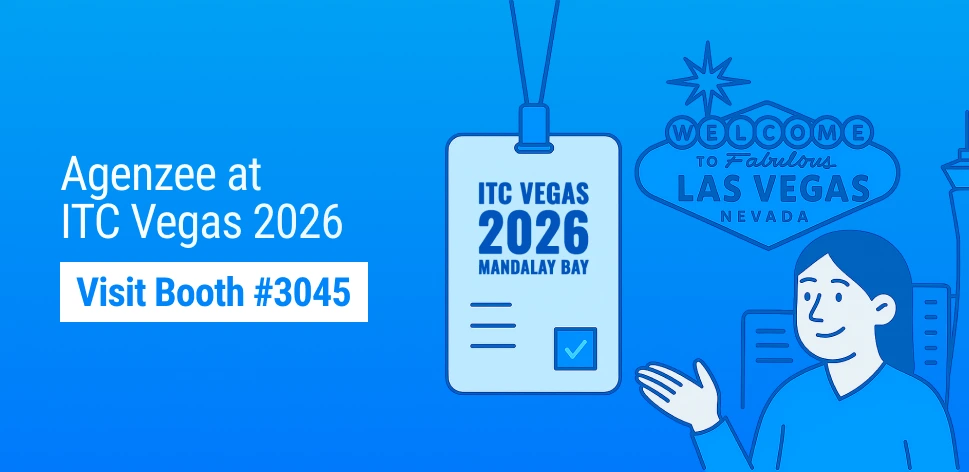
If you’re heading to ITC Vegas 2026, stop by Booth #3045. We here to walk through your specific carrier mix and state footprint in person rather than have you find these gaps the hard way.
Frequently Asked Questions
Q.1 Why does licensing and compliance data matter to an insurance company's bottom line, not just its compliance team?
Because gaps in licensing and compliance information can contribute to delayed or missed business opportunities, E&O exposure, and examination findings, not just paperwork problems. It’s a revenue and risk issue that happens to live in a compliance system.
Q.2 What's the difference between a license count and a license status report?
A license count just tells you how many licenses exist. A license status report shows the current status of each license, such as active, expired, or other state specific statuses. That information is important when determining whether a producer is properly licensed and authorized to transact the applicable business.
Q.3 What is an unreconciled appointment termination?
An unreconciled termination occurs when a carrier appointment has been terminated, but the termination has not been reflected across the relevant records or systems, leaving outdated appointment information in place.
Q.4 What's the difference between NIPR and PDB data?
NIPR provides services that facilitate insurance licensing transactions and regulatory data exchange across states. The Producer Database, or PDB, contains producer licensing, appointment, and regulatory information reported by participating state insurance departments. Differences between current transaction activity and the information reflected in the PDB can create discrepancies that affect downstream licensing and compliance workflows.
Q.5 What are just-in-time (JIT) appointments?
JIT appointments are carrier appointments processed right before a producer needs to write business, rather than in advance. This approach can support timely onboarding, but it also makes accurate and timely appointment tracking important, particularly when records must be reconciled across systems.
Q.6 How often should CE records be reconciled against resident state data?
There is no universal requirement for reconciling CE records. A regular review is a good compliance practice, with the frequency depending on your business, the states you manage, and upcoming renewal deadlines. Comparing your internal CE records with the applicable state records or CE transcript can help identify discrepancies before a renewal or compliance review.
Q.7 What records does a market conduct exam typically request?
Depending on the scope of the examination, regulators may review producer licensing and appointment records, termination documentation, CE records where applicable, and other records related to the areas under examination. Keeping these records accurate, reconciled, and accessible can make it easier to respond to examination requests.
Alexandra is a copywriter and researcher who specializes in evergreen content production. She has authored hundreds of SEO-driven blogs, helping clients translate complex insurance coverage topics into clear, authoritative content.
Alexandra graduated from the University of Oregon with a BA in German: Language, Literature, and History, and a BA in Digital Art. She spent 20 years living abroad in Germany and Spain before returning to the US in 2025.
Disclaimer: This post is for informational purposes only and does not constitute legal or compliance advice. Agenzee does not warrant the accuracy of and assumes no liability for reliance. Please consult regulators or professional advisors as needed. See our full disclaimer for details.
Subscribe
Stay Ahead with Agenzee Insights
Join our community to stay up-to-date on the latest news and strategies for license and appointment management
INDUSTRY INSIGHTS FOR INSURANCE AGENCIES, CARRIERS, AND MGAS
Similar Blogs
Read our blog to discover the latest industry insights and trends in license and appointment management.

let's catch up!
Schedule a Live 1-On-1
Demo of Agenzee!
Our insurtech experts would be thrilled to give you a personalized demo of how Agenzee can transform your compliance management processes.
Customers Opinions on Our Services and Products
What Our Customers Say
Find out why our customers are happy they chose Agenzee.