

Published On: May 14, 2026
Updated On: May 28, 2026
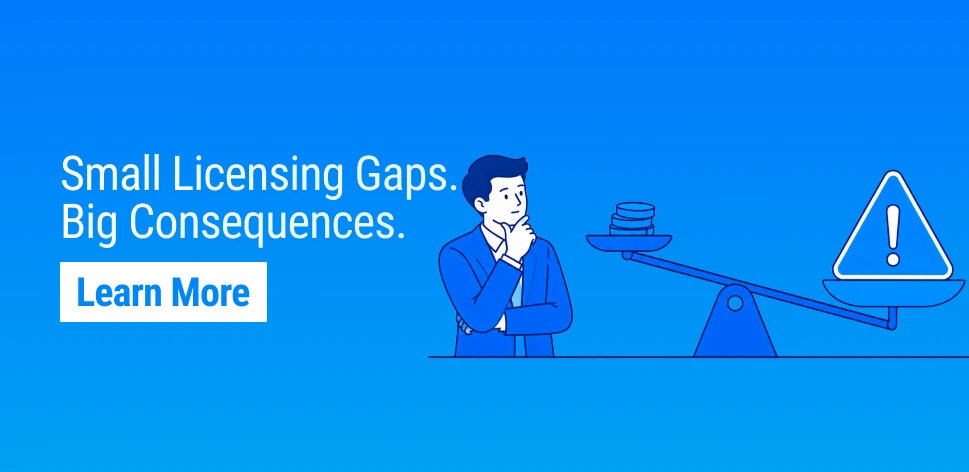
Are You Risking a Lot for a Little?

Many insurance organizations continue to rely on manual processes to manage licensing and compliance workflows. While these methods may seem cost-effective, they often introduce significant risks and inefficiency. From missed deadlines to inconsistent data, the consequences can quickly outweigh any perceived savings. This article examines how outdated workflows create unnecessary exposure and why modernizing your approach can improve both compliance and operational performance.
The Illusion of “It Still Works”
Just because a process works doesn’t mean it’s working well, or safely
Manual workflows often hold together through extra effort, follow-ups, double-checks, and institutional knowledge. The risk isn’t always visible right away, but it builds over time.
What feels “fine” today is often one missed renewal or outdated record away from becoming a problem.
Manual Processes Increase Error Rates
Human error is inevitable, especially in workflows that rely heavily on manual input. Missed deadlines, incorrect data entry, duplicate records, and inconsistent tracking methods are all common outcomes of these types of processes. While each issue may seem minor on its own, over time they compound and create meaningful compliance exposure that is often difficult to detect until it becomes a larger problem. For example, a missed renewal deadline or an outdated license record may seem like a small oversight, but it can quickly lead to delayed business, compliance violations, or audit exposure.
Time Spent on Admin Is Time Lost Elsewhere
Every hour spent tracking data or reconciling records is time not spent on revenue- growing or client-facing activities for the business.
Inefficient workflows don’t just create risk; they also limit productivity.
Organizations that streamline these processes allow their teams to focus on higher-value activities.
Pro Tip: Don’t Wait for a Breakdown
Most organizations don’t revisit their processes until something goes wrong, a missed deadline, a failed audit, or a compliance gap. High-performaning teams take a different approach. They evaluate proactively.
If your team is relying on manual tracking, duplicated effort, or constant double-checking, it’s a signal, not a safeguard.
Modernization Reduces Risk and Increases Efficiency
Updating your compliance workflow doesn’t have to be disruptive, but it does need to be intentional.
Modern compliance workflows are built on visibility, automation, and consistency; not memory, manual effort, or disconnected systems.
Agenzee simplifies licensing and appointment management by replacing manual tracking with automated, centralized workflows.
This reduces risk, improves accuracy, and gives teams back valuable time.
Summary
Holding onto inefficient processes may feel comfortable, but it often comes at a higher cost. Reducing risk means evaluating whether your current workflows truly serve your organization.
FAQ
Q.1 Is manual tracking always a compliance risk?
Not always, but as complexity increases (multi-state licensing, renewals, appointments), manual processes become harder to scale and more prone to error. The risk grows with the business.
Laura Crowell is a seasoned insurance professional with over 25 years of experience specializing in agency contracting, licensing, and appointment management. As Insurance Licensing Administrator at Agenzee, Laura brings her hands-on industry experience to the development of technology that helps insurance organizations and professionals manage licensing, contracting, appointments, compliance, and related operational processes more efficiently.
With a background in education, a P&C license, and a CPSR designation, Laura understands the importance of clear communication, effective training, and organized, reliable information. She works closely with customers and internal teams to identify opportunities to improve processes, strengthen the user experience, and make insurance technology more practical for the people who use it every day.
Laura is passionate about helping simplify the administrative complexity of insurance operations and supporting technology that brings information, processes, and people together. Her goal is to help insurance professionals spend less time managing administrative processes and more time focused on the work that matters.
Disclaimer: This post is for informational purposes only and does not constitute legal or compliance advice. Agenzee does not warrant the accuracy of and assumes no liability for reliance. Please consult regulators or professional advisors as needed. See our full disclaimer for details.
Subscribe
Stay Ahead with Agenzee Insights
Join our community to stay up-to-date on the latest news and strategies for license and appointment management
INDUSTRY INSIGHTS FOR INSURANCE AGENCIES, CARRIERS, AND MGAS
Similar Blogs
Read our blog to discover the latest industry insights and trends in license and appointment management.

let's catch up!
Schedule a Live 1-On-1
Demo of Agenzee!
Our insurtech experts would be thrilled to give you a personalized demo of how Agenzee can transform your compliance management processes.
Customers Opinions on Our Services and Products
What Our Customers Say
Find out why our customers are happy they chose Agenzee.