

Published On: June 3, 2026
Updated On: June 19, 2026
Why Alaska’s New DHS Licensing Rules Matter for Insurance Compliance Teams

Beginning June 12, 2026, Alaska will implement Designated Home State (DHS) licensing for Independent Adjusters and Portable Electronics Adjusters. While the update introduces new licensing opportunities, it also creates additional compliance responsibilities, validation requirements, and application rules that insurance organizations must carefully manage. Agencies, carriers, and compliance teams that understand these changes early will be better positioned to avoid processing delays, reduce application rejections, and maintain efficient licensing operations across multiple jurisdictions.
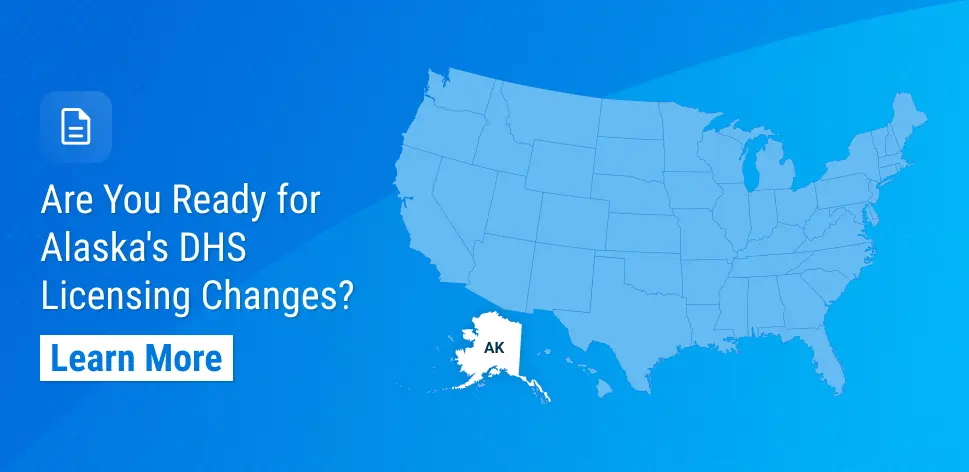
Alaska Introduces Designated Home State Licensing
Effective June 12, 2026, Alaska will officially offer Designated Home State (DHS) licensing for Independent Adjusters and Portable Electronics Adjusters through NIPR Gateway transactions. This update expands licensing flexibility for adjusters who do not maintain an active resident adjuster license but need to operate across state lines.
The implementation includes both new applications and renewal transactions under the following offerings:
- Non-Resident License Designated Home State (NRALDHS)
- Non-Resident Renewal Designated Home State (NRARDHS)
Several lines of authority will now be available under Alaska’s DHS structure, including:
- Life
- Accident & Health or Sickness
- Property
- Casualty
- Personal Lines
- Crop
- Miscellaneous
- Portable Electronics Adjuster authorities
For many organizations, this change represents more than a licensing update. It reflects the growing industry trend toward centralized compliance management and standardized multi-state licensing oversight.
Why These Changes Matter Beyond Licensing
Insurance organizations often focus on what a licensing update changes operationally, but the larger question is why these updates matter to compliance teams, adjusters, and agencies.
The introduction of DHS licensing in Alaska creates additional opportunities for adjusters to maintain active authority without relying solely on resident state licensing structures. However, it also increases the importance of accurate Producer Database (PDB) records, state-specific validation requirements, and continuing education tracking.
The new Alaska rules introduce strict validation standards, including:
- Verification of active non-resident adjuster licenses
- Matching NPN and PDB records
- Address consistency requirements
- Continuing education designation validation
- Restrictions involving resident producer licenses
- Deferred review scenarios for certain applicants
Organizations that continue relying on manual tracking methods may experience increased application rejections, processing delays, and administrative burdens as these rules take effect.
This is where compliance technology becomes critical. Licensing systems that centralize adjuster data, automate validations, and monitor state-specific requirements help organizations stay proactive instead of reactive.
New Non-Uniform Questions Add Additional Complexity
One of the most significant changes introduced in Alaska’s DHS implementation involves new Non-Uniform Questions (NUQs) required during the application process.
Applicants must now answer questions related to:
- Whether they qualified for the license type by passing an adjuster examination
- Which state issued the qualifying examination
- Which state will they designate for continuing education compliance
While these questions may appear straightforward, they create additional dependencies between application data, designated home state selection, and PDB verification records.
For compliance teams handling high volumes of adjuster licensing transactions, even minor inconsistencies can result in online rejections, backend declines, or deferred state reviews.
Organizations should begin reviewing current workflows now to ensure:
- Applicant data matches PDB records
- Continuing education tracking is updated
- DHS eligibility rules are clearly documented
- Staff understand the new Alaska requirements
- Internal systems can support updated NIPR transaction validations
Preparation before June 12, 2026, effective date will help minimize disruptions once the new rules are active.
Compliance Teams Must Prepare for Increased Validation Rules
Alaska’s DHS implementation also introduces extensive business rule updates that directly impact compliance operations.
Applicants may face rejection or decline if:
- They maintain an active resident adjuster license
- Their designated home state is not on Alaska’s approved DHS list
- Application data does not match PDB records
- Required fields are incomplete
- The designated home state license is inactive
- Continuing education designations do not align properly
In addition, Alaska has identified a limited list of approved DHS states, including Florida, Texas, Georgia, Louisiana, Nevada, Washington, and several others.
These rule enhancements demonstrate how state licensing requirements continue evolving toward more automated verification and data consistency standards.
For agencies and carriers managing adjusters across multiple jurisdictions, success increasingly depends on having systems and processes that can adapt quickly to changing regulatory environments.
Organizations that proactively strengthen compliance oversight today will be better equipped to scale operations efficiently tomorrow.
Summary
Alaska’s implementation of Designated Home State licensing for Independent Adjusters and Portable Electronics Adjusters represents a significant regulatory update for the insurance industry. While the changes create new licensing opportunities, they also introduce more rigorous validation standards, continuing education requirements, and data verification rules.
Insurance organizations that prioritize proactive compliance management, centralized licensing oversight, and accurate data maintenance will be in a stronger position to reduce delays, avoid rejections, and support adjusters effectively across multiple states.
As regulatory requirements continue evolving nationwide, staying informed is no longer enough. Organizations must also ensure their processes and technology are prepared to support long-term compliance success.
Laura Crowell is a seasoned insurance professional with over 25 years of experience specializing in agency contracting, licensing, and appointment management. As Insurance Licensing Administrator at Agenzee, Laura brings her hands-on industry experience to the development of technology that helps insurance organizations and professionals manage licensing, contracting, appointments, compliance, and related operational processes more efficiently.
With a background in education, a P&C license, and a CPSR designation, Laura understands the importance of clear communication, effective training, and organized, reliable information. She works closely with customers and internal teams to identify opportunities to improve processes, strengthen the user experience, and make insurance technology more practical for the people who use it every day.
Laura is passionate about helping simplify the administrative complexity of insurance operations and supporting technology that brings information, processes, and people together. Her goal is to help insurance professionals spend less time managing administrative processes and more time focused on the work that matters.
Disclaimer: This post is for informational purposes only and does not constitute legal or compliance advice. Agenzee does not warrant the accuracy of and assumes no liability for reliance. Please consult regulators or professional advisors as needed. See our full disclaimer for details.
Subscribe
Stay Ahead with Agenzee Insights
Join our community to stay up-to-date on the latest news and strategies for license and appointment management
INDUSTRY INSIGHTS FOR INSURANCE AGENCIES, CARRIERS, AND MGAS
Similar Blogs
Read our blog to discover the latest industry insights and trends in license and appointment management.

let's catch up!
Schedule a Live 1-On-1
Demo of Agenzee!
Our insurtech experts would be thrilled to give you a personalized demo of how Agenzee can transform your compliance management processes.
Customers Opinions on Our Services and Products
What Our Customers Say
Find out why our customers are happy they chose Agenzee.