

Published On: May 6, 2026
Updated On: May 14, 2026
Kentucky Restricts Public Adjuster Licensing and Oversight, What It Means for Compliance Teams

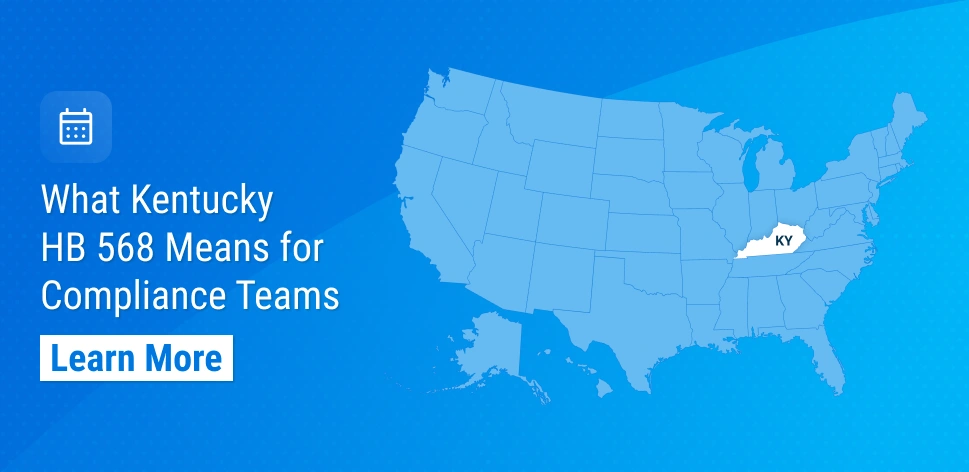
Kentucky’s House Bill 568 introduces significant changes to public adjuster licensing, apprentice adjuster eligibility, and compliance requirements. Beyond restricting new licenses, the legislation reshapes how adjusters operate, including contract standards, documentation requirements, and regulatory oversight. These changes may impact staffing models, compliance workflows, and audit readiness. Carriers and agencies must now focus on improving visibility into licensing status, adjusting internal processes, and ensuring consistent compliance practices across all jurisdictions to reduce operational and regulatory risk.
Why Visibility Matters More Than Ever
Regulatory changes often expose gaps that already exist within compliance processes. When licensing rules shift or become more restrictive, organizations that rely on fragmented systems or manual tracking may struggle to respond quickly. Visibility in producer and adjuster data is no longer a convenience, it is a necessity.
Without a clear, centralized view of licensing status, contract activity, and compliance requirements, teams may find it difficult to assess risk or take timely action. As states introduce stricter regulations, the ability to quickly understand who is licensed, where they operate, and what actions are required becomes critical to maintaining compliance and avoiding unnecessary exposure.
What Kentucky House Bill 568 Changes
Signed into law on April 13, 2026, House Bill 568 introduces a series of changes that significantly impact public adjusters and apprentice adjusters. One of the most notable provisions is the prohibition on issuing new public adjuster and apprentice adjuster licenses effective April 15, 2026, thus halting new entrants into the market.
The bill also restricts apprentice adjuster licensing, including limitations on supervision and progression into public adjuster roles. In addition, it introduces enhanced consumer protection requirements, such as updated contract standards, revised rescission periods, and requirements to provide physical copies of agreements.
Further provisions place new limitations on certain adjuster activities and strengthen regulatory oversight, including expanded authority for enforcement actions under specific conditions.
Operational and Compliance Impact
These changes extend beyond licensing and directly affect day-to-day compliance operations. Carriers and agencies may need to reassess how they manage adjuster relationships, track licensing eligibility, and ensure adherence to new requirements.
The restriction on new licenses may impact workforce availability, particularly in high-demand scenarios. At the same time, increased documentation and contract requirements add complexity to compliance workflows. Organizations that rely on manual processes or disconnected systems may experience delays, increased administrative burden, and a higher risk of errors.
As requirements evolve, maintaining accurate and accessible records becomes essential for audit readiness and regulatory response.
Preparing for a More Controlled Environment
Kentucky’s approach signals a broader shift toward tighter regulation and increased accountability. Organizations operating in the state should take proactive steps to evaluate their current processes and identify potential gaps.
This includes improving how licensing data is tracked, ensuring contract and documentation requirements are consistently met, and establishing clear workflows for compliance activities. A structured approach to managing adjuster data and regulatory requirements can help reduce uncertainty and support more confident decision-making.
As regulatory expectations continue to evolve, the ability to adapt quickly will play a key role in maintaining operational efficiency and compliance stability.
Summary
Kentucky House Bill 568 represents a significant shift in how public adjusters are licensed and regulated. By restricting new licenses and introducing stricter compliance requirements, the legislation increases the need for clear visibility, structured processes, and consistent oversight.
For carriers and agencies, these changes highlight the importance of moving beyond manual tracking and fragmented systems. A more centralized and proactive approach to compliance management can help organizations navigate regulatory changes more effectively while reducing risk and operational strain.
Laura Crowell is a seasoned insurance professional with over 25 years of experience specializing in agency contracting, licensing, and appointment management. As Insurance Licensing Administrator at Agenzee, Laura brings her hands-on industry experience to the development of technology that helps insurance organizations and professionals manage licensing, contracting, appointments, compliance, and related operational processes more efficiently.
With a background in education, a P&C license, and a CPSR designation, Laura understands the importance of clear communication, effective training, and organized, reliable information. She works closely with customers and internal teams to identify opportunities to improve processes, strengthen the user experience, and make insurance technology more practical for the people who use it every day.
Laura is passionate about helping simplify the administrative complexity of insurance operations and supporting technology that brings information, processes, and people together. Her goal is to help insurance professionals spend less time managing administrative processes and more time focused on the work that matters.
Disclaimer: This post is for informational purposes only and does not constitute legal or compliance advice. Agenzee does not warrant the accuracy of and assumes no liability for reliance. Please consult regulators or professional advisors as needed. See our full disclaimer for details.
Subscribe
Stay Ahead with Agenzee Insights
Join our community to stay up-to-date on the latest news and strategies for license and appointment management
INDUSTRY INSIGHTS FOR INSURANCE AGENCIES, CARRIERS, AND MGAS
Similar Blogs
Read our blog to discover the latest industry insights and trends in license and appointment management.


let's catch up!
Schedule a Live 1-On-1
Demo of Agenzee!
Our insurtech experts would be thrilled to give you a personalized demo of how Agenzee can transform your compliance management processes.
Customers Opinions on Our Services and Products
What Our Customers Say
Find out why our customers are happy they chose Agenzee.