

Published On: September 17, 2025
Updated On: February 27, 2026
What Alabama’s Extended Captive Insurance Moratorium Means for You

The Alabama Department of Insurance has issued Bulletin 2025-05, extending the moratorium established in Bulletin 2025-01 on the acceptance and processing of new filings for the registration or licensing of captive insurance companies and domestic risk retention groups. The moratorium, which initially began March 3, 2025, will now remain in effect through June 30, 2026.
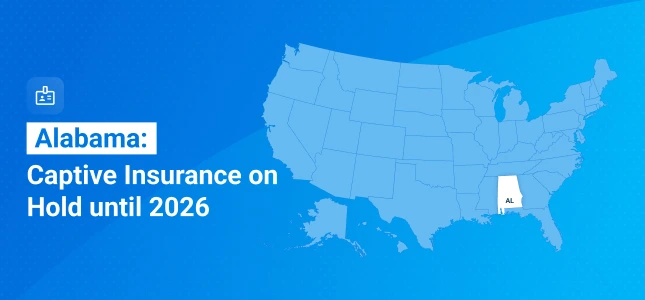
The original moratorium allowed for a period of up to six months but, following internal review, the Department has determined that additional time is required. During this period:
- No new application packages or fee payments for captive insurance companies or risk retention groups should be submitted.
- The restriction applies to captive managers acting on behalf of these entities.
- Applications submitted before March 1, 2025, and already under review will continue to be processed as practicable.
This measure is considered temporary, and the Department notes that any changes, whether an earlier expiration or an additional extension, will be announced through future bulletins.
Summary
If you’re considering forming a captive insurance company or risk retention group in Alabama, it’s important to adjust your timelines accordingly. For now, June 30, 2026, is the key date, but keep an eye out for further updates from the Alabama DOI.
Johnelee serves as the Senior Marketing Manager at Agenzee, orchestrating strategic growth initiatives and maintaining brand consistency across all marketing touchpoints for Agenzee solutions. Johnelee has created or edited over 100 content pieces on insurance licensing, carrier appointment management, and regulatory compliance. This work helps agencies, carriers, MGAs (Managing General Agents), FMOs (Field Marketing Organizations, TPA (Third Party Administrators), and holding companies navigate the complexities of insurance operations and stay ahead of industry changes.
Johnelee excels at distilling complex insurance processes into accessible content that resonates with insurance professionals. Johnelee collaborates closely with product, sales, customer success, and executive leadership to ensure marketing strategies align with business objectives and customer needs, positioning Agenzee as a trusted partner in modernizing insurance distribution workflows.
Disclaimer: This post is for informational purposes only and does not constitute legal or compliance advice. Agenzee does not warrant the accuracy of and assumes no liability for reliance. Please consult regulators or professional advisors as needed. See our full disclaimer for details.
Subscribe
Stay Ahead with Agenzee Insights
Join our community to stay up-to-date on the latest news and strategies for license and appointment management
INDUSTRY INSIGHTS FOR INSURANCE AGENCIES, CARRIERS, AND MGAS
Similar Blogs
Read our blog to discover the latest industry insights and trends in license and appointment management.




let's catch up!
Schedule a Live 1-On-1
Demo of Agenzee!
Our insurtech experts would be thrilled to give you a personalized demo of how Agenzee can transform your compliance management processes.
Customers Opinions on Our Services and Products
What Our Customers Say
Find out why our customers are happy they chose Agenzee.