

Published On: December 26, 2025
Updated On: February 27, 2026
How Can You Celebrate the New Year with Fireworks — Safely?

New Year’s celebrations often include fireworks, sparklers, and backyard displays — but these traditions can quickly turn dangerous without proper precautions. Firework-related fires and injuries happen every year, often due to simple oversights like using fireworks in restricted areas or too close to structures.
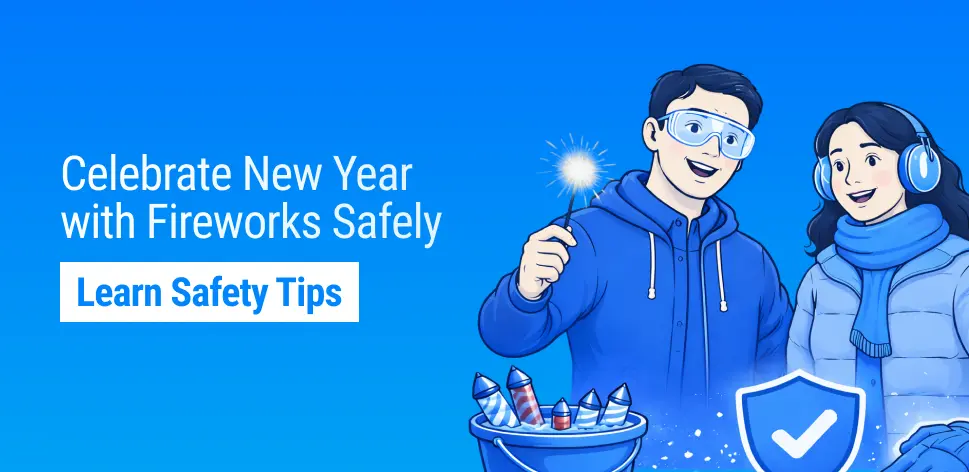
Start the New Year with Celebration — Not Risk
Fireworks have become a familiar part of New Year’s celebrations across the country. Whether it’s a small backyard display or a few sparklers shared with friends and family, fireworks symbolize excitement, hope, and new beginnings.
However, what often gets overlooked is how quickly those celebrations can lead to unintended consequences. Fireworks remain a leading cause of seasonal fires and injuries, especially when used improperly or in areas where restrictions apply. Starting the New Year safely isn’t about avoiding fun — it’s about making smart choices that protect what matters most.
Know the Rules Before You Light the Fuse
One of the most important and often ignored aspects of firework safety is understanding local laws. Firework regulations vary widely by state, county, and even city. What’s permitted in one area may be prohibited just a few miles away.
Using fireworks in areas where they’re restricted can lead to fines, liability issues, and potential insurance complications if property damage occurs. Before purchasing or using fireworks, take a few minutes to confirm what’s allowed where you live. Local fire departments and municipal websites are great resources for up-to-date guidance.
Simple Safety Steps Make a Big Difference
Firework safety doesn’t require complicated planning just common sense and preparation. A few best practices can dramatically reduce the risk of injury or property damage:
Always read and follow the manufacturer’s instructions. Only use fireworks outdoors and far away from homes, vehicles, dry grass, and trees. Light one firework at a time and keep a safe distance. Never point or throw fireworks at people or animals. Avoid relighting malfunctioning fireworks.
Keep water nearby — a hose or bucket can help quickly address sparks or embers. Dispose of used fireworks in water before discarding them.
Equally important: fireworks should never be handled by small children, and adult supervision should always be present.
Fireworks and Insurance: What Homeowners Should Know
Many homeowners are surprised to learn that insurance coverage can depend on how and where fireworks are used. While standard homeowners policies often cover accidental fire damage, coverage may be limited or denied if fireworks were used illegally or negligently.
This is why understanding both local regulations and your policy terms matters. A quick call to your insurance agent can clarify any restrictions or exclusions related to fire-related claims. Knowing this information ahead of time can prevent confusion and stress if something goes wrong.
Safer Alternatives Still Bring the Spark
For those who want to reduce risk even further, attending professional firework displays is one of the safest options. These events are handled by licensed professionals and follow strict safety protocols.
If you prefer celebrating at home, consider safer alternatives like LED light displays, glow sticks, or confetti poppers designed for indoor or low-risk use. The goal is to celebrate — not to test your emergency preparedness plan.
Summary
The New Year is meant to be a time of joy, reflection, and fresh starts. Fireworks can certainly be part of that celebration, but safety should always come first. By understanding local laws, following basic safety guidelines, and being aware of how insurance coverage applies, you can protect your home, your loved ones, and your peace of mind. A safe celebration ensures the New Year begins exactly how it should — with optimism and confidence.
Johnelee serves as the Senior Marketing Manager at Agenzee, orchestrating strategic growth initiatives and maintaining brand consistency across all marketing touchpoints for Agenzee solutions. Johnelee has created or edited over 100 content pieces on insurance licensing, carrier appointment management, and regulatory compliance. This work helps agencies, carriers, MGAs (Managing General Agents), FMOs (Field Marketing Organizations, TPA (Third Party Administrators), and holding companies navigate the complexities of insurance operations and stay ahead of industry changes.
Johnelee excels at distilling complex insurance processes into accessible content that resonates with insurance professionals. Johnelee collaborates closely with product, sales, customer success, and executive leadership to ensure marketing strategies align with business objectives and customer needs, positioning Agenzee as a trusted partner in modernizing insurance distribution workflows.
Disclaimer: This post is for informational purposes only and does not constitute legal or compliance advice. Agenzee does not warrant the accuracy of and assumes no liability for reliance. Please consult regulators or professional advisors as needed. See our full disclaimer for details.
Subscribe
Subscribe to Receive Cutting-Edge Insights From Agenzee
Join our community to stay up-to-date on the latest strategies for license and appointment management
INDUSTRY INSIGHTS FOR INSURANCE AGENCIES, CARRIERS, AND MGAS
Similar Blogs
Read our blog to discover the latest industry insights and trends in license and appointment management.
let's catch up!
Schedule a Live 1-On-1
Demo of Agenzee!
Our insurtech experts would be thrilled to give you a personalized demo of how Agenzee can transform your compliance management processes.
Customers Opinions on Our Services and Products
What Our Customers Say
Find out why our customers are happy they chose Agenzee.